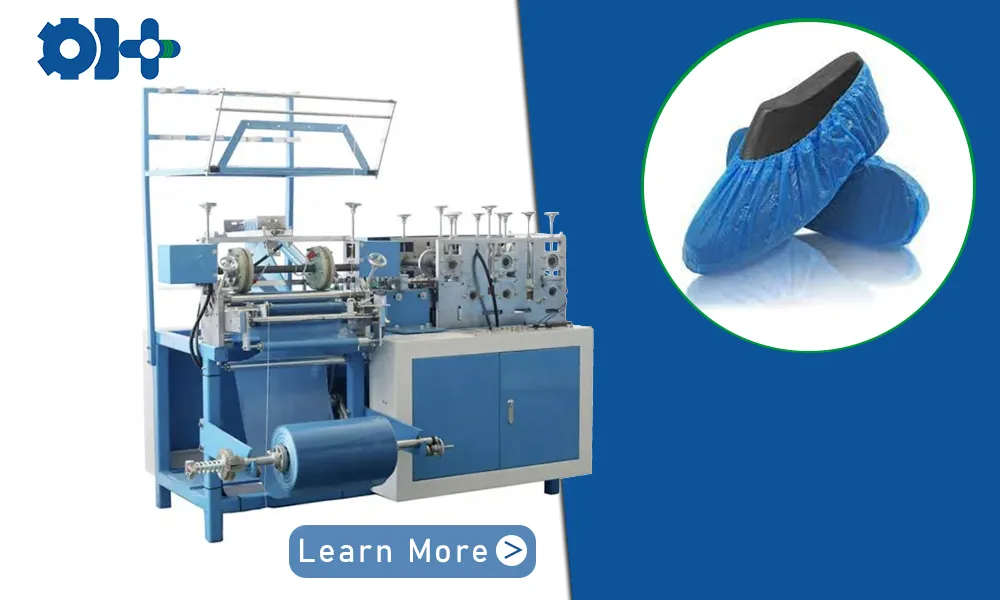
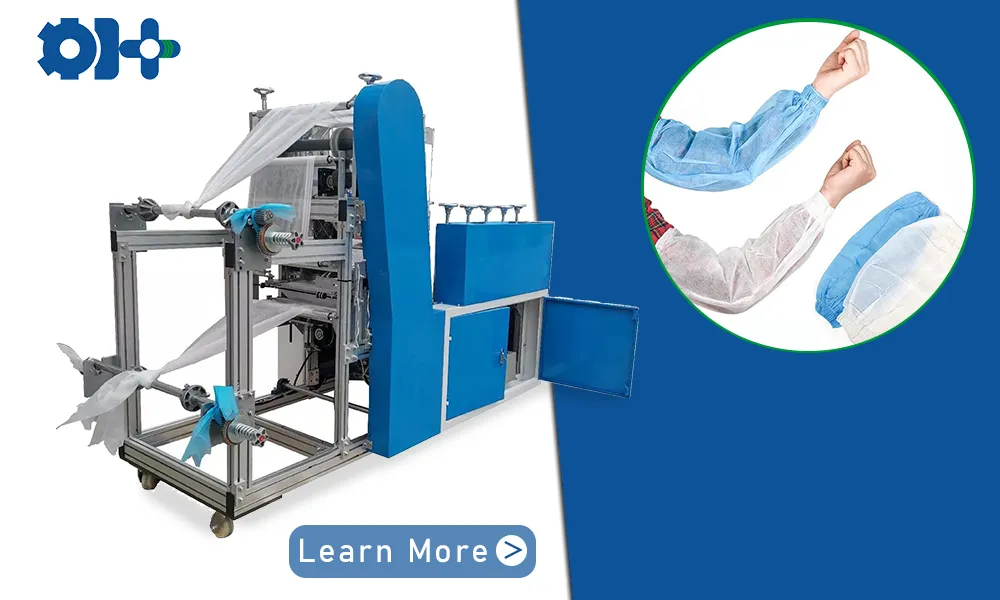
Modular PPE machine design brings higher flexibility, speed, and cost advantages to disposable medical protective product production.
The global PPE market continues to grow, and customer demand for multiple sizes and product types is increasing. Traditional fixed-structure PPE machines struggle to meet needs such as fast upgrading, quick product changeover, and customized solutions.
This is why plug-and-play modular design is becoming the preferred solution for PPE factories in 2025.
This article will show you:
- What plug-and-play modular design means for PPE machines
- How modular design helps you save costs
- Key modules you can choose and what they do
- How to build a “custom-fit” PPE production line with modular design
- A real case of upgrading a drape line with modules
- Why modular machines are ideal for disposable gowns, drapes, shoe covers, caps and more
What Are Plug-and-Play Modules in PPE Machines?
Plug-and-play modules are functional units that can be added, removed, or upgraded without redesigning the whole machine.
Factories can freely combine modules according to their needs, just like building blocks, and “assemble” the best production solution.
This gives PPE machines:
- Higher scalability
- Faster installation
- Lower engineering cost
- Shorter learning curve
- More flexible product changeover
For factories that frequently handle OEM/ODM customized orders, this design can significantly increase both efficiency and profit.
Benefits of Plug-and-Play Modular Design
1. More Flexible for Customized Orders
Different customers require different materials, sizes, and constructions (for example: 4-tie, 6-tie, ultrasonic welding, sewing, with or without reinforcement).
With traditional machines, major structure changes are needed — long lead time and high cost.
With modular design, you just add or swap the corresponding module.
2. Easy to Upgrade and Expand
You can start with a basic surgical drape line, and later upgrade step by step according to new orders:
- Reinforcement patch module
- hole punch module
- tape module
- folding module
Your production line value drape together with orders, instead of investing everything at once.
3. Reduced Downtime
When there is an issue, you can simply remove the module, replace or repair it, and resume production quickly.
Maintenance is much easier than with a rigid, non-modular machine structure.
4. Lower Engineering Cost
Traditional customization often requires redesigning the main structure, which is expensive and time-consuming.
With plug-and-play design, you only pay for the module you really need.
5. Supports More PPE Products
With one modular line, you can expand to more products:
- Surgical gown
- Surgical drape
- Shoe cover
- Bouffant cap
- Medical bed sheet or bed cover
This allows your factory to increase both capacity and product range at the same time.
Popular Plug-and-Play Modules for Surgical Drape Machines
The following plug-and-play modules are designed specially for surgical drape and procedure pack drape production. You can combine them freely according to your customers’ product requirements.
1. Drape Cutting & Forming Module
Automatically unwinds the non-woven or laminate roll, positions the material, and cuts the drape to the required size. It can support different drape dimensions by simple parameter change on the HMI.
2. Fenestration (Window) Cutting Module
Creates the surgical opening (fenestration) on the drape by rotary die cutting or punching. The shape and size of the opening can be customized according to the surgeon’s preference and hospital standards.
3. Adhesive Area Coating or Tape Applying Module
Applies medical adhesive tape or adhesive film around the fenestration area or at specific positions on the drape. This helps the drape stay fixed on the patient’s skin during surgery.
4. Reinforcement Patch & Absorbent Pad Placing Module
Automatically places and welds reinforcement sheets or absorbent pads on the drape surface. This is widely used for high-end surgical drapes that require fluid control and extra protection around the operating field.
5. Folding & Paneling Module
Performs cross folding and longitudinal folding of the drape to reach the required packed size and unfolding sequence. Proper folding design helps nurses to unfold the drape easily in the operating room.
All of these modules use a plug-and-play interface, which means you can add, remove, or upgrade them without redesigning the whole drape machine. This makes it easier to respond to new hospital tenders, OEM projects, and customized drape designs.
Comparison: Traditional Design vs Plug-and-Play Modular Design
| Item | Traditional Machine | Plug-and-Play Modular Design |
|---|---|---|
| Customization difficulty | Requires major redesign | Simply add or swap modules |
| Upgrade cost | High, full project needed | Lower, pay only for modules |
| Downtime | Long shutdown for modification | Short, module replacement |
| Product changeover | Complex and time-consuming | Can be finished in 2–5 minutes |
| Return on investment | Limited, fixed design | Scalable with orders, higher ROI |
Why a Modular Drape Machine Is the Best Choice
- One machine → Multiple drape types
- Add functions anytime (no need to redesign the main machine)
- Lower investment — buy modules only when orders need them
- Faster changeover between product specifications
- Higher flexibility for OEM and customized projects
- Shorter downtime — replace modules independently
Because each function is a module, your production line becomes
scalable, flexible, and future-proof.
You can start with a basic drape machine, then expand it step by step:
More orders → Add more modules → Higher product value → Better profit.
FAQ About Modular PPE Machines
1. Can I add more modules later if my orders change?
Yes. All modules are designed with standard interfaces and can be added at any time as your production needs grow.
2. What if I don’t need all functions right now?
You can start with a basic machine configuration, and later add modules step by step according to new products or customer requirements. This helps you control investment and cash flow.
3. Are modular PPE machines difficult to operate?
No. The PLC programs and parameters are pre-set for each module. Once installed and tested, switching modules is mainly mechanical operation plus simple parameter selection on the HMI.
4. How long does module installation take?
Most modules can be installed or removed within 10–20 minutes, depending on the module type and layout.
Need a Customized PPE Machine?
If you have unique PPE product ideas, or you need a production line that can grow and upgrade with your orders, modular design is one of the most flexible and cost-effective choices.
- Want to develop customized surgical gowns?
- Need a budget or technical solution for a new PPE project?
- Plan to expand into drapes, shoe covers, caps, or bed sheets?
We can help you design a modular PPE production line that truly fits your factory’s products, space, and budget.
Tell Us Your Product – Get a Customized PPE Machine Plan